

Quick answer: Expensive hobbies aren’t the ones with big price tags. They’re the ones nobody measures. Add up a year of gear, fees and consumables, divide by the hours you actually spend, and you get your real cost per hour. Run that math and a pricey hobby you use often can cost less per hour than a cheap one you barely touch. The catch: 37% of U.S. adults said they would not cover a 400-dollar emergency expense with cash or its equivalent in 2025 (Federal Reserve, May 2026), so the hobby has to be funded on purpose instead of quietly draining the buffer.
Google “expensive hobbies” and you get yachts. Polo ponies. Somebody’s vintage Ferrari collection. Very fun to read, completely useless if you are a normal person with a normal paycheck who just really, really likes telescopes.
Because here is the actual situation, right? You love the thing. You are also a little afraid to add up what the thing costs. So you don’t. And then the hobby stops being a joy and starts being this low-grade guilt that hums in the background every time a new lens goes on sale.
That guilt is expensive in its own way. It makes people quit hobbies they love, or worse, keep the hobby and quietly fund it from the money that was supposed to be the emergency fund. Neither of those is the fix. The fix is embarrassingly simple, and it starts with one number almost nobody calculates.
Key takeaways
- “Expensive” is the wrong measurement. Cost per hour is the right one, and it usually flips which hobby is the real problem.
- The average U.S. household spent about 300 dollars a month on entertainment in 2024 (BLS), a useful sanity check, not a rule.
- Gear bought on a credit card carries roughly 22% interest, which adds about 150 dollars to a 1,200-dollar purchase paid off in equal monthly payments over a year.
- A hobby with its own funded line in the budget stops being guilt and starts being a plan.
Expensive hobbies: what actually drives the cost
Not the entry price. It’s easy to fixate on the entry price because it’s the scary visible number, but it’s often the smallest part of the story.
Hobby costs usually come in three layers, and only the first one is obvious:
The buy-in. The camera, the bike, the sewing machine, the starter telescope. One time, painful, easy to see coming.
The drip. Consumables, subscriptions, entry fees, memberships, gas to get to the trailhead, the editing software you pay for monthly and forgot about. This is where hobbies get genuinely expensive, and it’s the layer people rarely total up.
The upgrade cycle. The part few people warn you about. Six months in, you know enough to want better, and the community is right there telling you which better thing to buy. Left alone, this layer is infinite.
A hobby that looks cheap can have a brutal drip. A hobby with an eye-watering buy-in can be nearly free to run for a decade. You can’t tell which is which from the price tag, which is exactly why the price tag is the wrong thing to look at.
The number few people calculate: your cost per hour
Here’s the reframe that changes the whole picture.
Total what the hobby cost you over the last twelve months. All three layers. Then estimate the hours you genuinely spent doing it. Divide.
(gear + fees + consumables) ÷ hours actually used = your real cost per hour
That’s it. That’s the whole method. And it is shocking how fast it settles arguments, including the ones you’re having with yourself at 1am with a shopping cart open.
Because a 1,200-dollar telescope sounds indulgent right up until you notice you’ve used it sixty nights a year for three years. That’s 180 sessions. Call it four hours each. The gear works out to under two dollars an hour, and you spent those hours outside, off your phone, genuinely happy. Meanwhile the exercise bike bought in a burst of optimism and ridden nine times cost more per hour than a spa day.
Same money. Wildly different value. The only thing that separated them was hours.
Cost per hour, worked out
Rough example math to show the shape of it. Plug in your own numbers, because yours will look different:
| Hobby | Year-one cost | Hours/year | Cost per hour |
|---|---|---|---|
| Astrophotography | 1,800 | 240 | 7.50 |
| Road cycling | 2,200 | 200 | 11.00 |
| Golf (with fees) | 2,600 | 120 | 21.67 |
| PC gaming | 1,500 | 500 | 3.00 |
| Knitting | 400 | 300 | 1.33 |
| The unused rowing machine | 900 | 6 | 150.00 |
PC gaming and knitting both come in at 3 dollars an hour or less, which is a lot of entertainment for the money. The rowing machine is the only genuine emergency here, and notice it’s also the second-cheapest thing on the list.
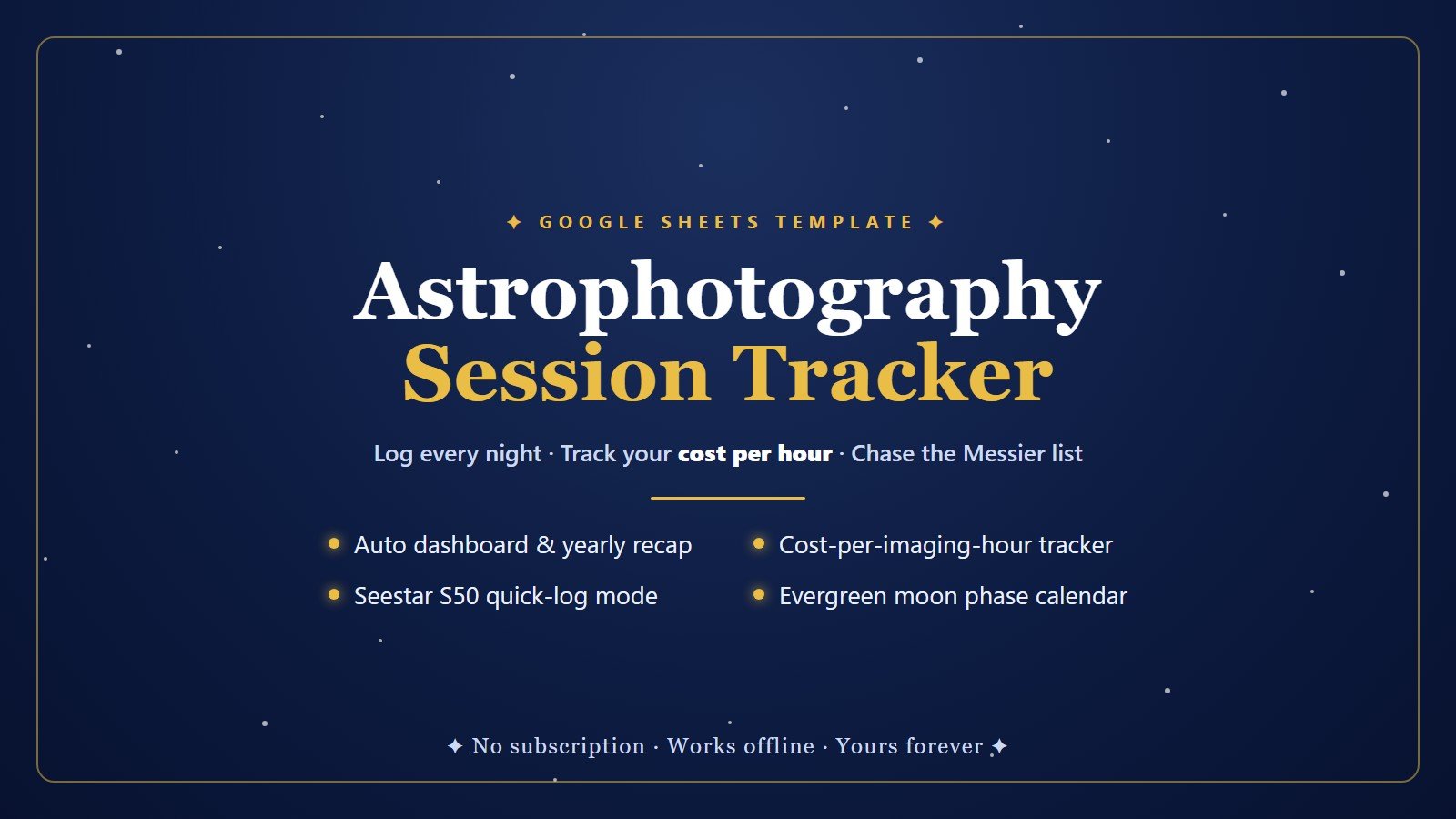
That’s why the tracker I built keeps hours and gear costs in the same file. Logging each session with its date and duration, next to what your gear cost, means the cost-per-hour number just exists, updating itself, instead of being a thing you keep meaning to work out. Our hobby cost per hour tracker was built for astrophotography sessions, but the math underneath (what you spent divided by hours used) works the same for any hobby. Sessions in, real cost out.
So how much should you actually spend?
There’s no commandment here, but there is a useful reality check.
The average U.S. household spent 78,535 dollars in 2024, and entertainment took 4.6% of it, roughly 3,600 dollars a year, or about 300 a month, according to the Bureau of Labor Statistics Consumer Expenditure Survey released in December 2025. Fees and admissions alone came to 935 dollars.
So if your hobby runs 150 a month, you are not being reckless. You’re under the national average for all fun combined. That’s worth knowing, because a lot of hobby guilt turns out to be guilt about being completely normal.
There’s no official percentage for hobby spending, so pick an amount your budget can carry after bills and savings. What matters most is whether the money has a name. A hobby funded from a real budget category is a decision. A hobby funded from “whatever’s left” is a leak, and leaks are what turn a fun thing into a fight.
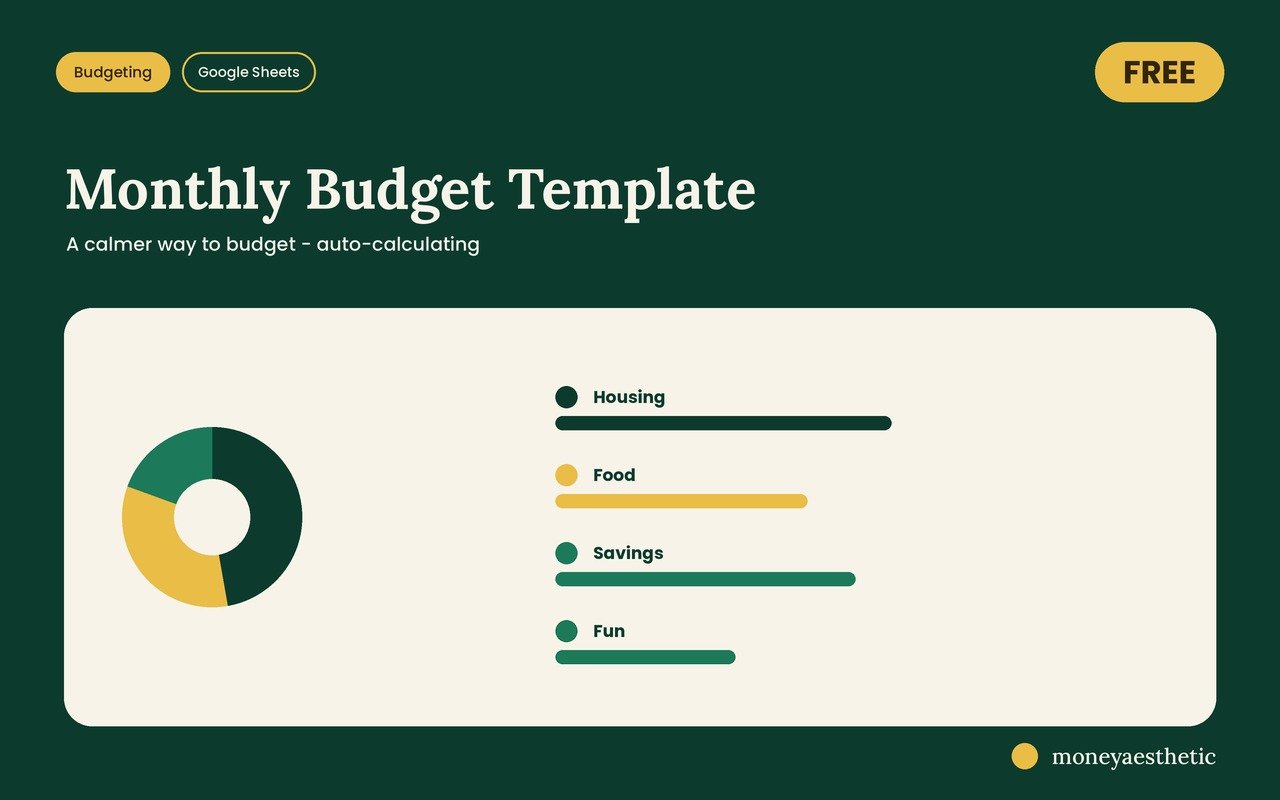
If you’ve never given it a line before, the free monthly budget template will show you what you’ve actually got room for. You may find more than you expected, which is a very nice surprise to have on a Tuesday.
The gear trap, and the 22% tax on it
One thing worth being blunt about.
The upgrade cycle gets dangerous the moment it meets a credit card. Credit card accounts that were charged interest paid an average rate of 22.15% in the second quarter of 2026, per Federal Reserve G.19 data released September 8, 2026, so a 1,200-dollar lens financed over a year isn’t 1,200. It’s closer to 1,350, and it keeps costing you after the excitement wears off.
Which wrecks your cost per hour, by the way. Interest is a cost layer too, and it keeps growing while you sleep.
The rule I’d offer: buy gear with money you already have, or don’t buy it yet. Not because debt is a moral failing, but because a hobby that generates monthly payments has stopped being a break from your problems.
Give your hobby its own fund
Here’s the part that actually fixes the guilt.
Set up a sinking fund for the hobby. Pick the number you’re comfortable with monthly, automate the transfer the day after payday, and then spend it without thinking about it. That last part is the important bit.
That’s the whole point. The money already did its job by showing up. When the upgrade itch hits, you check the fund instead of your feelings, and either the money is there or it isn’t. No negotiation, no 1am cart, no guilt afterward.
Pre-funding also does something sneaky and good: it slows down impulse buys without ever telling you no. If the lens costs several months of fund, you wait that long, and sometimes you discover you didn’t want it that much. Same mechanism behind how to stop impulse buying generally: friction often works better than willpower.
Common misconceptions
“Expensive hobbies are irresponsible.” A funded hobby at 150 a month is more responsible than an unfunded one at 40. Responsibility is about whether the money was planned, not how big it is.
“I should pick a cheaper hobby.” Cheaper hobbies you don’t do cost infinity per hour. Switching to something you’re lukewarm about doesn’t save money, it just moves the waste somewhere you can’t see it.
“Buy once, cry once: good gear pays for itself.” Sometimes true, and it’s also a very handy sentence for justifying a purchase. It only holds if the hours materialize. Buy the good version after you’ve proven you’ll use it, not before.
“Tracking it will make it feel like work.” Opposite, honestly. Not knowing is what makes it stressful. Once the number is on a screen and it’s reasonable, the guilt just evaporates and you get to enjoy the thing.
Know what your hobby really costs per hour
Log each session with its date and total time, list your gear with what it cost, and the tracker works out your cost per imaging hour and cost per session. Built for astrophotography, in Google Sheets.
Get the Session Tracker →Frequently asked questions
What counts as an expensive hobby?
Any hobby whose true annual cost is high relative to the hours you spend on it, rather than one with a high sticker price. A 2,000-dollar camera used weekly is cheap per hour; a 300-dollar gadget used twice is not.
How much should I spend on hobbies each month?
There’s no official rule, so pick an amount your budget can carry after bills and savings. For context, the average U.S. household spent roughly 300 dollars a month on entertainment in 2024 per BLS data.
How do I calculate my hobby’s cost per hour?
Add twelve months of gear, fees and consumables, then divide by the hours you actually spent. Include any interest paid if you financed the gear.
Is it okay to have an expensive hobby if I have debt?
Usually yes, at a reduced amount, as long as minimum payments are covered and the hobby has its own funded line. Cutting joy to zero tends to backfire and end in a bigger blowout purchase.
Should I finance hobby equipment?
Generally no. Credit card accounts that were charged interest averaged a 22.15% rate in the second quarter of 2026, per Federal Reserve G.19 data, so financing adds real cost to gear that often loses value once you open the box.
What is a hobby sinking fund?
A separate savings pot you add to monthly so hobby costs are already paid for when they arrive. It converts irregular gear purchases into a predictable monthly number.
How do I stop the upgrade cycle?
Fund upgrades only from the hobby fund, never from general savings or credit. Waiting for the balance to build in adds natural friction that filters out impulse wants.
Can I track a hobby budget in a regular budget spreadsheet?
You can track the spending, but a standard budget template won’t show cost per hour unless it also logs hours. A session-based tracker captures both, which is what makes the number meaningful.
New here? Start free
You don’t have to buy anything to get going. The free Monthly Budget Template puts your income, bills and leftover on one page, and it keeps working whether or not you ever buy another thing.
Get the free Monthly Budget Template →This article is for general information only and is not financial advice. Your situation is unique. Consider speaking with a qualified financial professional before making money decisions.