

Quick answer
Budget for a baby in three separate pots instead of one scary number: the birth, the first-year setup, and the new permanent monthly lines. Childcare can make the monthly pot big: Labor Department data put full-day care for one child at $6,552 to $15,600 a year in 2022. And in 2026 the dependent care FSA limit rose from $5,000 to $7,500, which lets you set aside more pre-tax money for childcare.
Here’s a part of having a baby that gets less airtime than labor: the ordinary afternoon a few months in, when you open your banking app, see a number you don’t recognize, and can’t tell if you’re fine or quietly drowning.
Here’s the thing: babies are not actually one giant expense. They’re three different expenses wearing a trench coat, and they hit at three different times. When you lump them together you get a number so big your brain just files it under “figure it out later” — which is exactly how people end up putting a car seat and a hospital bill on the same credit card in the same week.
So let’s pull them apart. Once you can see the three pots separately, this gets so much more manageable, I promise.
Key takeaways
- Split baby costs into three pots — birth, setup, and monthly — because they hit at completely different times.
- Birth costs depend on your health plan, so start by getting your deductible and out-of-pocket maximum from your insurer.
- Plan hard for childcare: full-day care for one child ran $6,552 to $15,600 a year in 2022, the latest year in the Labor Department’s childcare price database.
- The months when reduced leave pay and hospital bills overlap are easy to miss, so plan for those months first.
The three pots (and why lumping them together backfires)
Pot one is the birth. Deductible, coinsurance, hospital, prenatal visits. It can be big, and much of it lands around your due date, a window you can see coming.
Pot two is the setup. Car seat, crib, stroller, the handful of onesies you’ll actually use out of the pile you’ll receive. This is a one-time spike, and it’s the pot where you have more control — more on that in a second.
Pot three is the new monthly reality. Diapers, wipes, formula or feeding supplies, a bigger grocery bill, and eventually childcare. This one sticks around. It quietly rewrites your budget categories for the long haul, and it’s the pot people often underestimate.
Three pots, three timelines. Which means three different savings targets — not one panic number.
What a baby actually costs, according to the data
Let’s use real numbers instead of vibes. Averages can’t tell you what your own bills will be, but they do show where the big money goes, so start with the birth and then look at childcare.
The Peterson-KFF Health System Tracker analyzed employer-plan claims from 2021 through 2023 and found that pregnancy, childbirth, and postpartum care cost an average of $20,416 total, of which $2,743 came out of the family’s pocket.
Delivery type moved the total a lot more than the out-of-pocket share, largely because people with an inpatient stay often reach their plan’s deductible or out-of-pocket maximum, according to the same analysis. Pregnancies ending in a vaginal delivery averaged $15,712 in total, with $2,563 out of pocket, while C-sections averaged $28,998, with $3,071 out of pocket. Newborns in their first three months of coverage averaged $5,820 in health spending ($475 out of pocket), and toddlers with 18 to 24 months of coverage averaged $16,575 over their lives so far ($1,511 out of pocket).
| Childcare and tax numbers | Amount | Data year |
|---|---|---|
| Full-day childcare, one child, per year | $6,552–$15,600 | 2022 prices |
| Full-day childcare as a share of median family income | 8.9%–16% | 2022 |
| Dependent care FSA limit per year ($3,750 if married filing separately) | $7,500 | 2026 |
Sources: U.S. Department of Labor, National Database of Childcare Prices (2022 prices, released November 19, 2024); IRS Publication 15-B (2026).
Look at those childcare rows again. The Department of Labor also found that the price of care for one child can be more than rent in some U.S. counties. Childcare is the line that can reshape your budget. It’s easy to obsess over the stroller and then get flattened by daycare tuition.
And here’s the part that should light a small fire under you: among women ages 18 to 35, those who gave birth in the last 18 months were twice as likely to have medical debt over $250 as women the same age who didn’t recently have a child (14.3% versus 7.6%), according to a 2024 KFF analysis. That’s a good reason to plan the money side early.
How to budget for a baby, step by step
- Call your insurer and ask two questions. What’s my deductible and out-of-pocket max, and is my hospital in network? Write both numbers down. That’s your pot-one target, and it’s usually smaller than the terrifying sticker price.
- Find out exactly what your leave pays. Not just how long your leave is, but what share of your paycheck it replaces, starting when, and for how long. You may find a gap here you didn’t expect.
- Start a baby sinking fund today. One separate account, automatic transfer every payday. For example, $50 a paycheck with two paydays a month adds up to $800 over eight months.
- Build the setup list, then trim it hard. Seriously. Borrow, buy secondhand, register for the rest. Be careful with a secondhand car seat: NHTSA says one may be okay to use if it passes each item on its used car seat checklist, including never having been in a moderate or severe crash, having its date and model labels, having no recalls, and having all its parts. Check any secondhand baby gear for recalls, too.
- Rewrite your monthly budget as if the baby is already here. Add the new lines now and live on that number for a while before the due date. You’ll find the leaks while it’s still a drill, not a crisis.
- Enroll in a dependent care FSA if your employer offers one. For 2026 the annual exclusion was raised from $5,000 to $7,500 ($3,750 if married filing separately), according to IRS Publication 15-B. That lets you generally exclude up to $7,500 of dependent care benefits from your taxable income.
Step five is the hard one, and honestly that’s fair: building a baby budget from a blank spreadsheet while you’re nauseous and exhausted is a big ask. That’s why our templates exist. The categories are already there, the formulas already work, and you just type numbers into boxes.
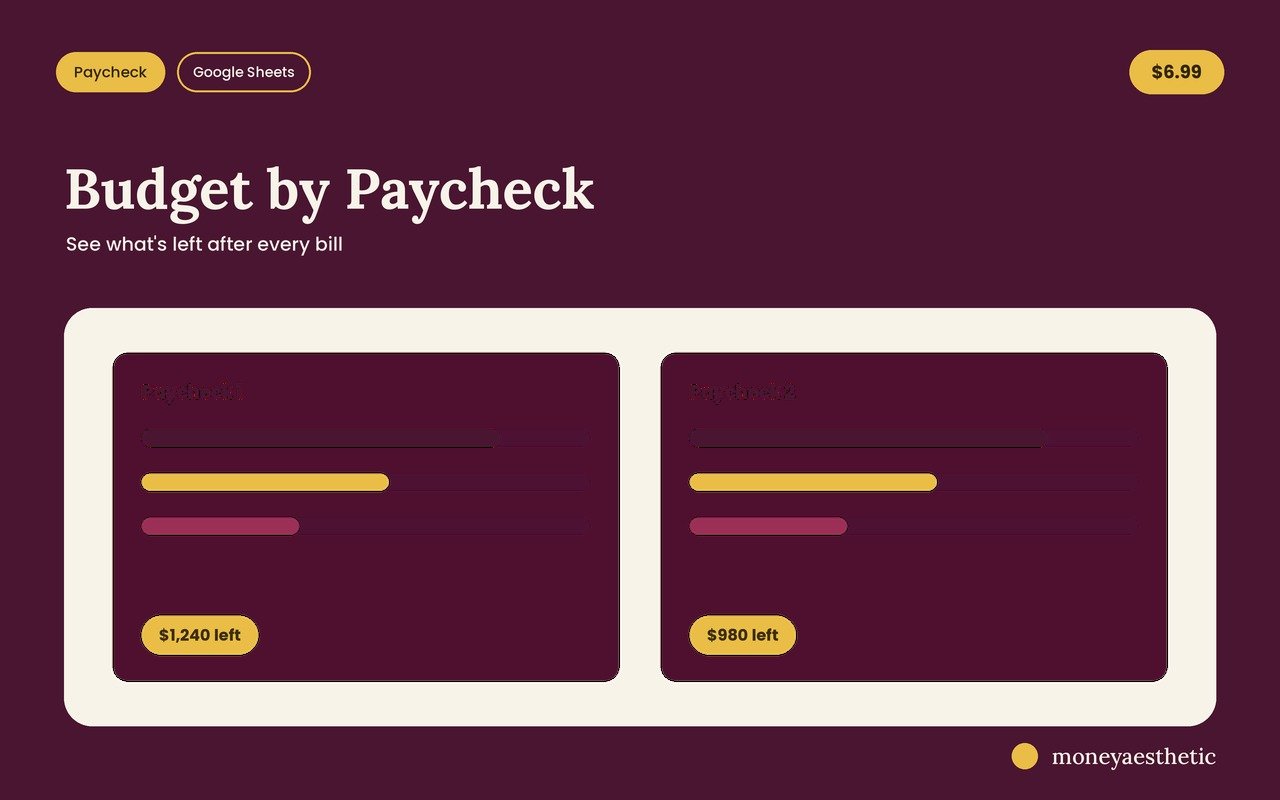
Rework your budget for leave pay
Leave can change how much comes in and how often. This template converts each income source to a monthly figure based on how often it pays (weekly, biweekly, semi-monthly, or monthly), sets that against your fixed and variable expenses, and tracks bills as Paid or Upcoming on a bill calendar.
Get the Budget by Paycheck template →The leave gap: plan for the overlap
Baby budgeting guides often tell you to save an emergency fund. It matters just as much to know when you’ll need it.
Here’s the collision. Your leave starts, and your income may drop a little or a lot. At the same time, the hospital bills often start landing in the weeks after delivery. And you’re buying more diapers, more groceries, more everything. Income down, spending up, in the same stretch.
Then there’s a trap that’s easy to miss: the deductible reset. If your pregnancy and postpartum care straddle your plan year’s reset date, you may owe toward two annual deductibles, one before the reset and one after it. How much that adds depends on your plan and how your providers bill maternity care, so ask your insurer before your due date.
So build a month-by-month calendar, not a savings goal. Four columns: month, income you’ll actually receive, bills you expect, gap. Fill in the months before and after your due date. The gap column will show you a specific dollar amount in a specific month, and that number, not a generic months-of-expenses rule, is what you’re actually saving for.
A specific target like “we need $3,100 by March” is a solvable problem in a way that “babies are expensive” is not. If you’re doing this with a partner, our guide on how to budget as a couple pairs well with it. And if a wedding is also on the calendar, our wedding budget spreadsheet has a monthly savings plan that shows how much to set aside each month.
Common misconceptions
“I need $20,000 saved before we try.” Not necessarily. The big average totals for pregnancy and birth include what insurance pays, and in the claims analysis above, families paid a much smaller share out of pocket. A more realistic target is your plan’s out-of-pocket maximum plus a setup cushion.
“Babies cost more than toddlers.” Usually not, over time. USDA’s Expenditures on Children by Families, 2015 report found that annual child-rearing expenses generally increased with the age of the child. The first year brings one-time setup costs, and the monthly costs keep going after that.
“We’ll just cut back once the baby’s here.” This is the one that gets people. Newborn season is a hard time to build new financial habits. Whatever system you have when the baby arrives is likely the one you’ll keep using for a while. Set it up now, while you can still think in full sentences.
“Buying used is cheap and sad.” Buying used can free up money for the things that matter more to you. Your baby isn’t going to care whether the changing table came new or from a marketplace listing.
One last thing
You don’t need to have this perfectly figured out. You need three pots, one calendar, and an automatic transfer. That’s genuinely it.
If you want a running start, our free monthly budget template gives you the categories already built out, so you can spend your energy on the actual decisions instead of formatting cells. Future you, the one holding a very small person in the middle of the night, will be so glad you did this part early.
Baby budget FAQ
How much money should I have saved before having a baby?
Aim for your health plan’s out-of-pocket maximum plus a cushion for the setup items on your own list. Ask your insurer for that maximum, because it’s a more useful savings target than the full price of care.
How much does it cost to have a baby with insurance?
It depends on your plan. Ask your insurer for your deductible, coinsurance, and out-of-pocket maximum, and check that your hospital and doctors are in network. Those numbers shape what you’ll owe.
What is the biggest baby expense?
If you pay for full-day care, childcare is a major new recurring bill. Labor Department data put full-day care for one child at $6,552 to $15,600 a year in 2022 (8.9% to 16% of median family income), which can be more than rent in some U.S. counties. Over a whole childhood, though, USDA’s Expenditures on Children by Families, 2015 report found that housing was the largest share of what families spend on a child.
When should I start budgeting for a baby?
As soon as you know, ideally several months before your due date. Early saving spreads the cost across more paychecks and gives you time to test your post-baby budget while it’s still just a rehearsal.
How much do diapers and formula cost per month?
Costs depend on brand, size, and how you feed, so price out the diapers, wipes, and formula you actually plan to buy. Add each one as its own monthly line in your budget.
Does a dependent care FSA save money on daycare?
Yes, and more in 2026 than before. The annual exclusion was raised from $5,000 to $7,500 ($3,750 if married filing separately), according to IRS Publication 15-B. Benefits up to that limit are exempt from federal income tax withholding and from Social Security and Medicare taxes, so you avoid those taxes on childcare money you were going to spend anyway.
Is it cheaper to have a baby in January or December?
It depends on your plan. If your prenatal, delivery, and postpartum bills fall on both sides of your plan-year reset, you may pay toward two annual deductibles, so ask your insurer how the reset and maternity billing work before you assume.
How do I budget for a baby on a low income?
Prioritize the leave gap over the nursery. Apply early for WIC and Medicaid or CHIP if you qualify, buy secondhand where it’s safe (check for recalls, and run a used car seat through NHTSA’s checklist), and put whatever you can into one dedicated account automatically.
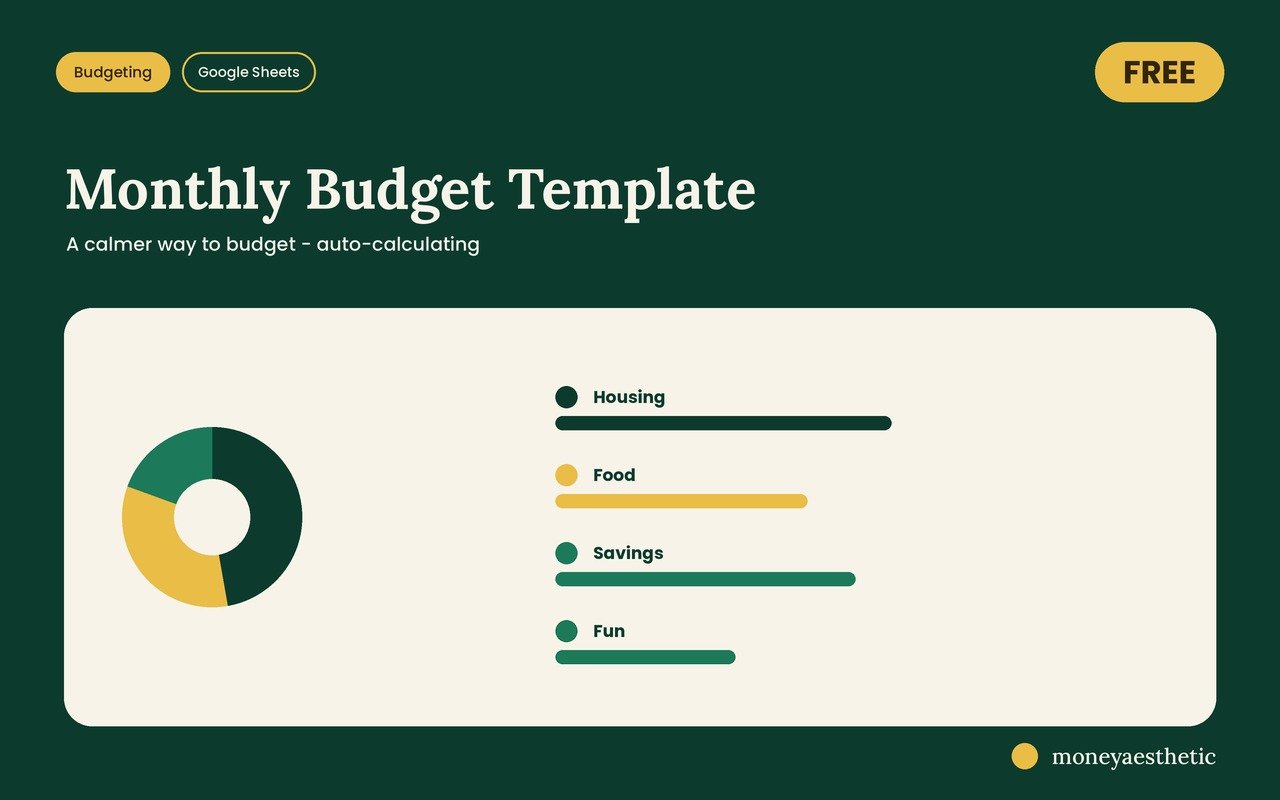
Don’t have a budget sheet yet?
The free Monthly Budget Template is an easy place to start: one tab, income near the top, budget categories and a bill checklist underneath, and the totals already wired in. No formulas to write, and it costs nothing.
Get the free Monthly Budget Template →This article is general information, not financial, medical, or tax advice. Costs vary widely by state, insurer, and plan. Check your own plan documents and talk to a qualified professional about your situation.