

Quick answer: A courthouse wedding cost starts with small government fees. New York City charges $35 for the license and $25 for the ceremony, and Clark County, Nevada charges $102 and $75. The real budget is everything around those fees: rings, clothes, photos, dinner, certified copies. The paperwork afterward runs on a clock too. The IRS’s July 2026 newlywed tip says to hand your employer a new Form W-4 within 10 days.
A courthouse wedding sounds like the one kind of wedding you can’t overspend on. You show up, sign, say the words, go to lunch. Done.
Then you add the rings. And the dress you actually want to wear in the photos. And the photographer, because you only get one first kiss as a married couple and a phone held by your cousin is a gamble. None of that shows up on the county’s fee page, which is how a “cheap” wedding can still surprise you.
The good news is that a small wedding is a very manageable wedding to budget, as long as you write down the lines that are easy to miss.
Key takeaways
- The license and ceremony fees are usually among the smaller lines. In the three places below they add up to between $75 and $197, certified copy included.
- With only a few guests, the per-guest money shrinks a lot. Rings, outfits and photos do much of the deciding.
- Budget for the week after, not just the day: a new W-4, a name change with Social Security, and a 60-day health insurance window.
How Much Does a Courthouse Wedding Cost?
A courthouse wedding cost, counting only the government fees, came to $75 to $197 at the three offices below, and other places charge more or less. Each of those three lists a marriage license, a civil ceremony fee, and a certified copy of the record. Fees differ from place to place, so look up your own clerk or court’s fee page before you go.
Here is what three offices post on their own fee pages as of September 2026:
| Where | Marriage license | Civil ceremony | Certified copy | Total |
|---|---|---|---|---|
| New York City | $35 | $25 | $15 (first short certificate) | $75 |
| Howard County, Maryland | $50 | $25 | $5.50 each | $80.50 |
| Clark County, Nevada | $102 | $75 | $20 | $197 (before card fee) |
Two small notes from those pages. Clark County takes its ceremony fee by credit or debit card only, and its payment processor adds a fee of 2% plus $1.25 per card transaction. New York City charges $10 for each additional short certificate after the first, which matters if you plan to send copies to several offices.
The Fee Is One of the Smaller Lines on the Page
The county fee is usually one of the smaller lines in a courthouse wedding budget. Much of the total comes from a few costs that stay about the same whether two people are watching or two hundred: rings, what you both wear, and photos. The meal afterward is the line that grows with every person you bring. Those lines are where a courthouse wedding quietly turns into a real expense.
For scale, The Knot Worldwide’s 2026 Real Weddings Study, released in February 2026, put the average 2025 US wedding at $34,000, with 117 guests and $292 spent per guest. A courthouse wedding with a few guests shrinks the per-guest money a lot. It does not shrink the rings.
That is the part I think about most with the Wedding Budget Spreadsheet. It works out cost per guest live from your guest list, and I built it that way because at a 117-guest wedding that one number is the whole argument. Plan for four guests and the number flips meaning. Whatever you spend on dinner, you are spending on the handful of people who matter most, and that is a very easy line to defend.
So write these lines down before you book a date:
- Rings. Easy to leave off a courthouse budget, and hard to ignore at the counter.
- Outfits. Both of you, plus shoes, alterations and hair.
- Photos. A photographer for an hour, or a friend with a good camera and a thank-you gift.
- The meal after. A reservation for your witnesses and family.
- Getting there. Parking, travel, or a hotel if the courthouse is out of town.
- Certified copies. One per office that will ask to see proof.
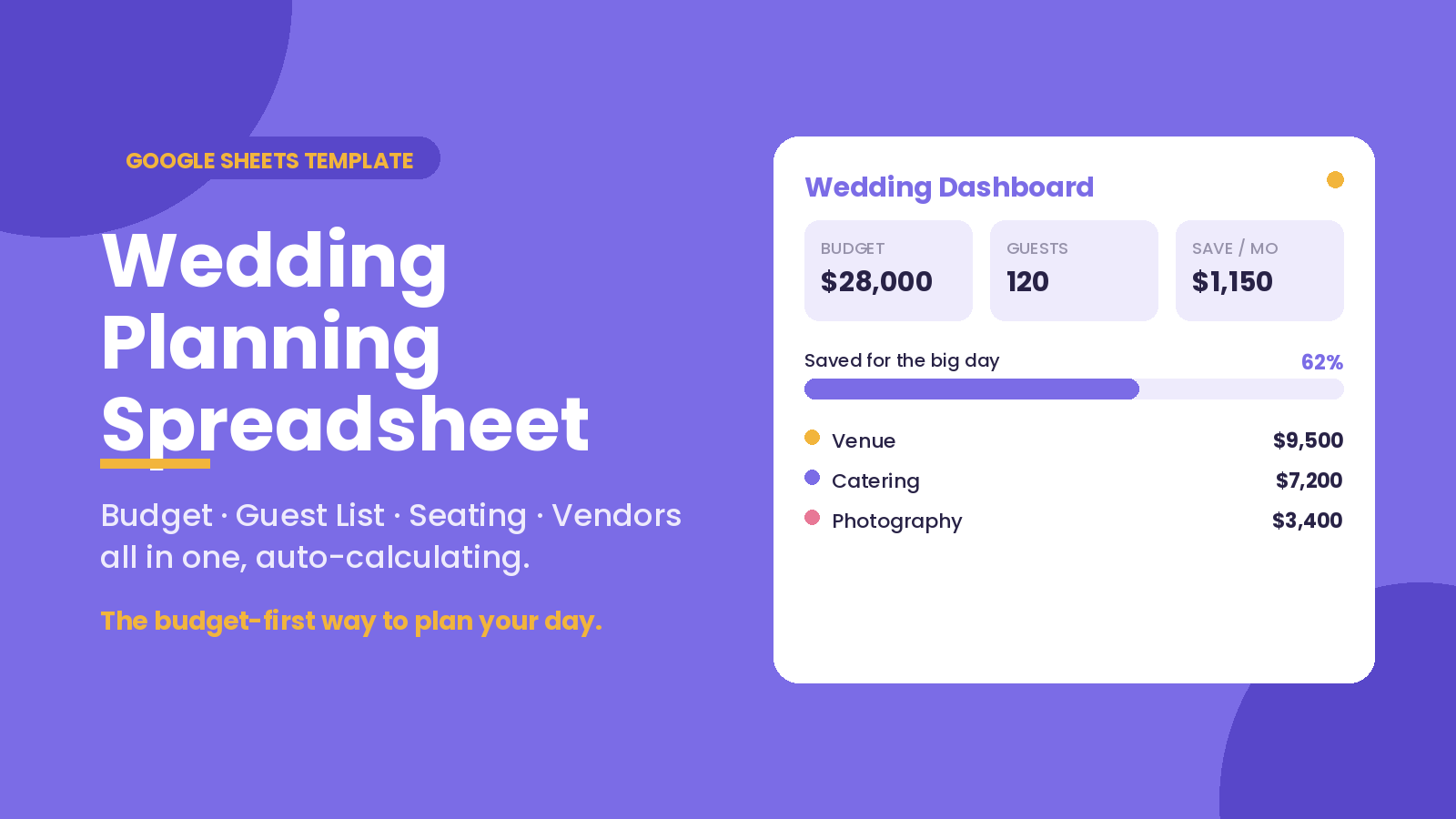
Plan the small wedding without the guesswork
Budget, guest list, vendor payments and a monthly savings number on one Google Sheet. Type your own amounts and it does the adding up. Use it for four guests or a hundred.
Get the Wedding Budget Spreadsheet →What Do You Pay After You Say “I Do”?
After a courthouse wedding, the costs shift from fees to deadlines. Within days you may need a new tax withholding form, a name change with Social Security, an address update, and a decision about health insurance. The Social Security part is free. The risk is the calendar: withholding that is set wrong can turn into a tax bill at filing time, and a missed enrollment window can leave you without the plan you wanted.
The IRS’s Tax Tip 2026-54, published July 7, 2026, lays out the tax side:
- New W-4 within 10 days. Newlyweds should give their employers a new Form W-4. If you both work, the IRS notes this could move you into a higher tax bracket.
- Social Security before the tax return. If either of you changes your name, report it to the Social Security Administration first, because the name on your return has to match its records.
- Address change. If you moved, Form 8822 updates your mailing address with the IRS.
- Filing status. Your marital status as of December 31 sets your filing options for the entire year, so a December courthouse date still counts for that year’s return.
The name change itself does not cost anything at Social Security. The SSA’s replacement card page says you can request a free replacement card, and its name-change page says the new card arrives by mail in 5 to 10 business days after the request is completed.
Then health insurance. HealthCare.gov lists getting married as a change that may qualify you for a Special Enrollment Period if it happened in the past 60 days. Pick a plan by the last day of the month and coverage can start the first day of the next month. Eligibility details can vary, so read that page for your own situation. Sixty days feels long right up until it has passed.
If I were setting up a sheet for a courthouse wedding, I would put these as rows in the payment schedule, each with a due date. The payment schedule on the spreadsheet’s budget tab already counts down the days until each payment is due, and a W-4 due ten days after the ceremony is just another date that deserves a countdown.
Courthouse, Elopement, or Small Party: Which One Fits Your Budget?
The right choice depends on which of those costs you care about, not on the fee. A courthouse ceremony keeps the legal part cheap and lets you spend on one or two things you love. An elopement often adds travel and a photographer. A small party after the courthouse adds a per-guest line back in. Pick by what you would regret skipping. If the scenic version is winning, the guide on how much does it cost to elope prices it line by line.
- Courthouse, then dinner. Best if the photos and the meal are the memory you want. Your budget is the fee table above plus four or five lines.
- Courthouse, then a party later. Best if family wants to celebrate but you want the legal part simple. Budget it as two events, because the party brings back per-guest costs.
- Elopement somewhere scenic. Best if the place is the point. Price travel and the photographer first, then fit everything else around them.
One thing I would do on day one: the budget tab in the Wedding Budget Spreadsheet suggests a percentage share of your total for each category, and for a courthouse wedding I would ignore most of those shares and type in my own estimates instead. Those shares include lines like venue and catering that a courthouse wedding may barely use, and following them anyway is how small weddings creep up.
How Do You Budget a Courthouse Wedding in One Evening?
You can budget a courthouse wedding in one sitting by starting from your county’s fee page and working outward. Look up the fees, list the other lines, price the two you care about most, add the after-wedding deadlines, and set a monthly savings number for the gap. That is the whole plan.
- Find your county’s fee page. Search your county name plus “marriage license fee” and use the clerk or court site, not a blog.
- Write every line. Use the list above, even for lines you plan to spend nothing on.
- Price your two favorites first. Photos and rings, or outfits and dinner. Give those real numbers and keep the rest modest.
- Add the paperwork dates. W-4, Social Security, address, insurance window.
- Divide the gap by the months left. That is your monthly savings number. If you are also deciding how to cover it, how to pay for a wedding walks through the options.
If you end up inviting more people than planned, the wedding budget breakdown shows how the categories shift as a guest list grows.
Is it cheaper to get married at a courthouse?
Yes, the legal part of a courthouse wedding is cheap. New York City’s posted fees are $35 for the license and $25 for the ceremony. The total still depends on rings, clothes, photos and dinner, which the county does not charge for but you still pay.
Do you need witnesses for a courthouse wedding?
It depends on the state. Howard County, Maryland’s court page says neither a blood test nor witnesses are required in Maryland. Check your own county clerk’s page before you book, since other states set their own rules.
How long is a marriage license good for?
It depends on where you marry. In Cook County, Illinois, the clerk’s page says a license is effective one day after issuance and valid for 60 days, and a ceremony after the expiration date is not valid.
Do we need a new W-4 after a courthouse wedding?
Yes. The IRS says newlyweds should give their employers a new Form W-4 within 10 days. It also suggests using its Tax Withholding Estimator to check how much to withhold now.
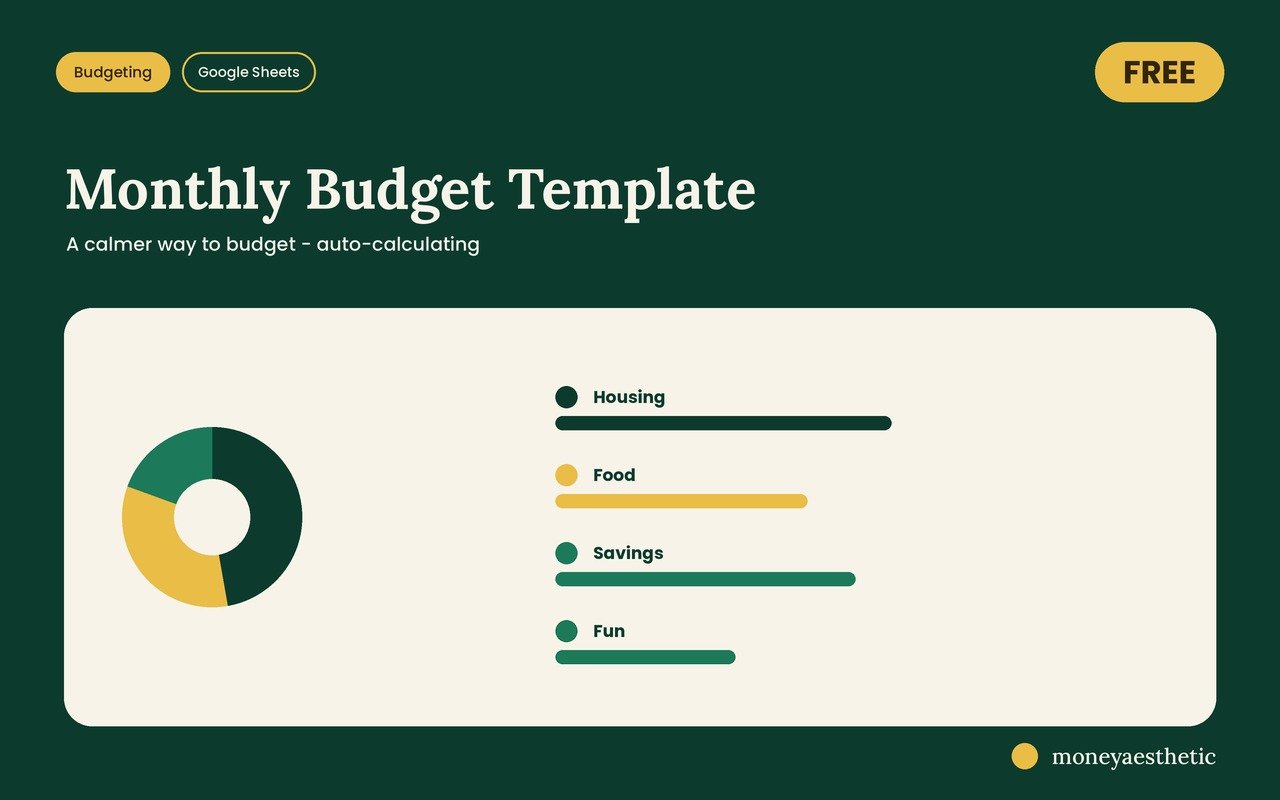
Newly married? Start with one shared budget
The free Monthly Budget Template gives the two of you one page for income, bills and what is left. A calm first month together, on paper.
Get the free Monthly Budget Template →This article is for general education and is not legal, tax or financial advice. Fees, forms and deadlines change and vary by state and county, so confirm with your county clerk, the IRS and your insurer before you act.