

You put a handful of things in the cart. You get to the register and somehow the total is way more than you planned. Again. If your grocery bill has quietly turned into a hard-to-predict expense, you’re not imagining it, and you’re definitely not bad at math.
Here’s the good news: you don’t need extreme couponing, a chest freezer, or a spreadsheet with endless tabs to fix this. A lot of the money leaking out of your grocery budget tends to go to two boring places: food you never eat and prices you never actually decided to pay. Plug those two leaks and the savings can show up fast, without you eating rice and sadness all month.
Key takeaways
- Give groceries a number first. A category with no limit isn’t a budget, it’s a vibe, and vibes are expensive.
- A big leak is waste, not the checkout line. A household of four spends about $2,913 a year on food that never gets eaten, per an April 2025 EPA report.
- Store brands are an easy win. Often a similar product, smaller price, little effort. Coupons are optional; this isn’t.
- Shop your kitchen before the store. “What do I already have?” is an underrated money question in your house.
First, figure out what “too much” even means
You can’t tell if you’re overspending on groceries until you know what normal even looks like, and normal is a moving target right now. Grocery prices (what the government charmingly calls “food at home”) rose about 2.2% in the 12 months through August 2026 according to the Bureau of Labor Statistics, and fruits and vegetables rose about 3.2%. And it’s not going away: the USDA’s August 2026 Food Price Outlook expects food-at-home prices to rise another 2.5% in 2026, just under the 20-year average of 2.6%. Translation: doing nothing this year quietly costs you more than it did last year.
So what’s a “normal” grocery bill? The USDA actually publishes this. Its July 2026 Cost of Food at Home report puts a family of four on the thrifty plan at about $1,025 a month, and on the moderate plan at roughly $1,391 a month, for two adults and two school-age kids, all meals made at home. If your number is way north of that, it’s not a moral failing. It often just means groceries never had a target to hit. If you have school-age kids, back-to-school season can bring its own costs, and we costed that out separately in the back-to-school budget.
Give your groceries an actual number
This is the step a lot of people skip, and it can do a lot of the heavy lifting. When “groceries” is an open bar with no cap, it’s easy to spend to your mood: a rough week, a cute display of fancy cookies, and suddenly the cart has a personality. A limit turns each trip into a smaller, easier decision instead of a monthly mystery. If you want that limit on paper, start with a grocery budget worksheet.
Pick a weekly number you can live with (start near your recent average, then trim a little), and give it a home so you actually see it. This is where a plug-and-play budget template earns its keep: you type in a grocery budget, enter what you actually spent, and the Difference column shows how far over or under you are, so you’re not standing in an aisle doing mental math. If your money tends to disappear right after payday, it helps to plan groceries around when your pay actually lands; our budget by paycheck template converts each income’s pay frequency (weekly, biweekly or semi-monthly) into a monthly figure, so the grocery line has a real number behind it. Prefer cash? The old-school cash envelope system is hard to beat here. When the grocery envelope’s empty, shopping’s done. No app required, no willpower required, just an empty envelope telling you the truth.
7 ways to actually save money on groceries
Skip the listicles that tell you to “buy generic and use coupons” and call it a day. Here’s what actually moves the number, roughly in order of effort-to-payoff:
- Shop your kitchen first. Before you write a list, “shop” your fridge, freezer, and pantry. Build a few meals around what’s already there and about to expire. This one habit can quietly delete a lot of waste.
- Swap to store brands. Flour, frozen peas, ibuprofen: the store-brand version usually costs less. Consumer Reports found store-brand groceries are typically priced well below their name-brand counterparts, and on plenty of staples you may not notice the difference.
- Make a list and actually hold the line. A list turns the store from a browsing experience into a mission. You’re not wandering; you’re extracting what’s on the list and leaving.
- Plan meals around what’s on sale, not the other way around. Let the weekly flyer and the season write your menu. Cheaper ingredients, less “what’s for dinner” panic.
- Check the unit price, not the sticker. That little per-ounce number on the shelf tag is your cheat code. “Bigger = cheaper” often isn’t true.
- Try a discount grocer. Discount chains such as Aldi and Lidl are worth pricing out for staples. Compare a few things you buy often against your usual store, and if the savings hold, a regular stocking-up trip can add up.
- Use free store apps and loyalty points, then stop. Digital coupons and rewards are worth setting up; chasing them across a pile of apps is not.
| Money move | Typical savings | Effort |
|---|---|---|
| Shop your kitchen / cut waste | Less of the ~$2,913/yr a household of 4 spends on uneaten food (EPA) | Low |
| Switch to store brands | Often lower on staples | Very low |
| Meal plan around sales | Fewer impulse buys | Medium |
| Shop a discount grocer | Compare your basket | Medium |
| Give groceries a set budget | Helps curb slow creep | Low (with a template) |
Grocery myths that keep you overspending
A few “money-saving” beliefs are quietly doing the opposite:
“Coupons are how you save on groceries.” Coupons are usually a small lever, and they often nudge you toward pricey name brands you wouldn’t have bought anyway. Buying store brands can beat couponing name brands, with none of the clipping.
“Buying in bulk is always cheaper.” It’s a deal if you actually eat it. A giant tub of spinach that liquefies in the crisper drawer isn’t a deal, it’s a science experiment. Bulk tends to win on shelf-stable stuff you burn through; it tends to lose on fresh food you’re optimistic about.
“Store brands are lower quality.” Often it’s a similar product in a plainer bag, and sometimes the same company makes both. Your pasta does not know it’s generic. Your wallet does.
A big grocery leak is hiding in your fridge
Here’s the part that often gets skipped, even though it deserves a spot near the top. A surprisingly expensive part of your grocery budget isn’t at the store; it’s in your trash can. The USDA estimates that 30–40% of the U.S. food supply is wasted (based on 2010 data), and an April 2025 EPA report estimates a household of four spends about $2,913 a year on food that never gets eaten. That’s real money going in the trash.
You don’t fix that with a coupon. You fix it by shopping less like a Pinterest board and more like a detective. The viral 6-to-1 method from chef Will Coleman is a great starter system: each trip, grab 6 vegetables, 5 fruits, 4 proteins, 3 starches, 2 sauces, and 1 “fun” item. The cap nudges you toward versatile, mix-and-match ingredients instead of a cart full of single-recipe orphans, which can mean less impulse buying and less waste. Pair that with a regular “eat what we have first” night and you’ve plugged a big leak in the system.
None of this requires being perfect. It requires a number to aim at and a couple of habits that make the cheap choice the easy choice. That’s really the whole game — money that used to vanish into forgotten leftovers stays in your account, and you didn’t have to suffer for it.
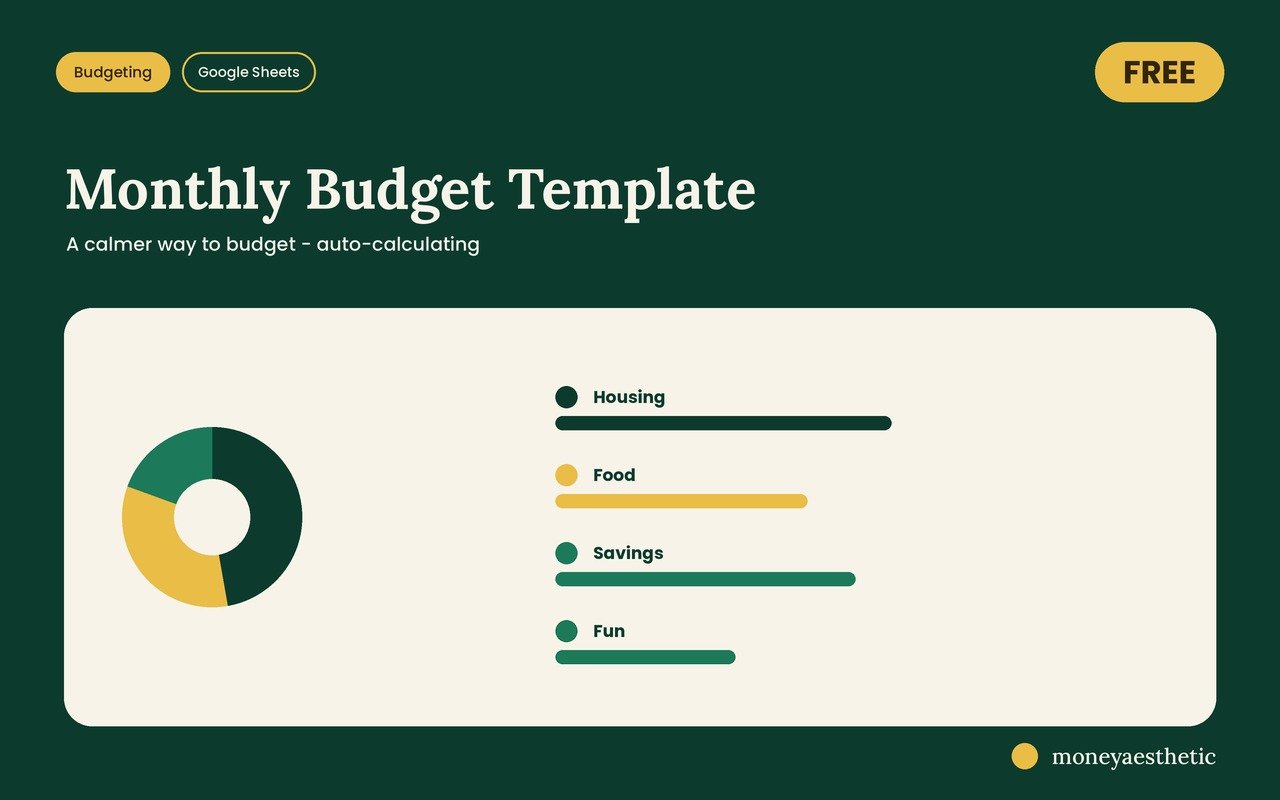
Give your groceries a number
Our free Monthly Budget Template does the math for you: type in a grocery budget, enter what you spent, and the Difference column shows how much room is left. No formulas to write, no guilt.
Get the free budget template →Grocery-saving questions, answered
How can I save money on groceries without couponing?
Give groceries a set weekly budget, shop your own kitchen before you buy more, and switch to store brands. Those three habits can cut spending with zero coupon clipping. Coupons are usually a small lever; a budget and less waste tend to matter more.
What’s a realistic monthly grocery budget for a family of four?
The USDA’s July 2026 Cost of Food at Home reports put a family of four at about $1,025 a month on the thrifty plan and roughly $1,391 on the moderate plan, with all meals made at home. Use the plan closest to your habits as a target, then trim from there.
Why is my grocery bill so high right now?
Prices genuinely rose. Food-at-home costs were about 2.2% higher in August 2026 than a year earlier, per the BLS, with fruits and vegetables up about 3.2%. On top of that, an unbudgeted grocery category can creep upward month after month because nothing is capping it.
Are store brands really cheaper than name brands?
Often, yes. Consumer Reports found store-brand groceries are typically priced well below their name-brand counterparts, and sometimes the same company makes both. Switching your everyday basics is one of the easier grocery savings to try.
What is the 6-to-1 grocery method?
It’s a shopping formula from chef Will Coleman: buy 6 vegetables, 5 fruits, 4 proteins, 3 starches, 2 sauces, and 1 fun item per trip. The category caps push you toward versatile ingredients, which can cut impulse buys and food waste.
How do I stop wasting food and money?
Check your fridge, freezer, and pantry before you shop and plan a few meals around what’s already there. An April 2025 EPA report estimates a household of four spends about $2,913 a year on food that never gets eaten, so using what you have first keeps more of that money in your budget.
Is it cheaper to meal plan or buy groceries as you go?
Meal planning tends to help, because random trips invite impulse buys and forgotten produce. Planning meals around what’s on sale and what you already own can cut both overspending and waste, two big grocery leaks.
How much can I realistically save on groceries each month?
It depends on where you start. For scale, the USDA’s July 2026 moderate plan puts a family of four at about $1,391 a month, so trimming a tenth of that would be roughly $139 a month. The habits are free, and the savings add up week after week.
Money Aesthetic shares general educational information, not personalized financial advice. Prices and figures cited (USDA, BLS, EPA) come from the releases named in the text and may change. Do what fits your own budget and household.